
Small Changes, Big Benefits: Gardening for Biodiversity

Our gardens are more than just places to relax—they can become important refuges for the
wildlife that shares our neighbourhoods. Whether you have a large backyard, a small courtyard
or a few pots on a balcony, the choices we make as gardeners can help create healthier, more
resilient urban ecosystems.
One simple but highly effective practice is mosaic mowing, also known as intermediate
mowing. Instead of cutting your entire lawn at once, leave patches of grass and wildflowers
uncut while mowing others. This creates a variety of habitats, with different grass heights and
structures supporting different plant species. As plant diversity increases, so too does the
variety of bees, butterflies and other pollinators that can find food and shelter. In turn, these
insects provide an important food source for birds, reptiles and small mammals, helping to
support a richer and more balanced local ecosystem. In areas where suitable habitat still exists,
insect-rich gardens can even provide valuable foraging opportunities for echidnas, which rely on
ants and other invertebrates as their primary food source.
There is often a balance to be found between tidy and wild. While some people enjoy the clean
lines of a neatly maintained garden and others prefer a more natural look, the two approaches
don’t have to be at odds. Leaving a few intentionally “wilder” patches within an otherwise
well-kept garden can support biodiversity while still creating an attractive and welcoming space.
By rotating which patches are left to grow throughout the year, gardeners can enjoy an outdoor
space that works for both people and wildlife.
Pollinators play a vital role in both natural ecosystems and food production, helping many plants
reproduce by transferring pollen from flower to flower. Yet habitat loss and increasingly tidy
urban landscapes mean these important species often struggle to find food and shelter. Allowing
just a small section of your garden to grow naturally can provide a welcome oasis.
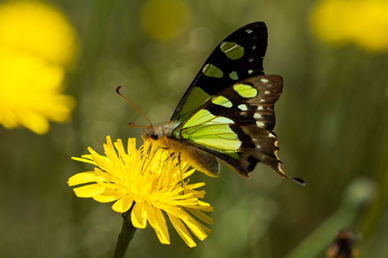
Photo Credit to
EclipseChasers from
Pexels.com
Choosing native plants is another powerful way to support local biodiversity. Australian native plants have evolved alongside local insects, birds and other wildlife over thousands of years, providing the nectar, pollen, seeds and shelter these species depend upon. They are also well adapted to local conditions, often requiring less water and maintenance once established. In the Sydney region, flowering natives such as grevilleas, bottlebrushes and native daisies are excellent choices, providing colour for your garden while supporting pollinators throughout the seasons.
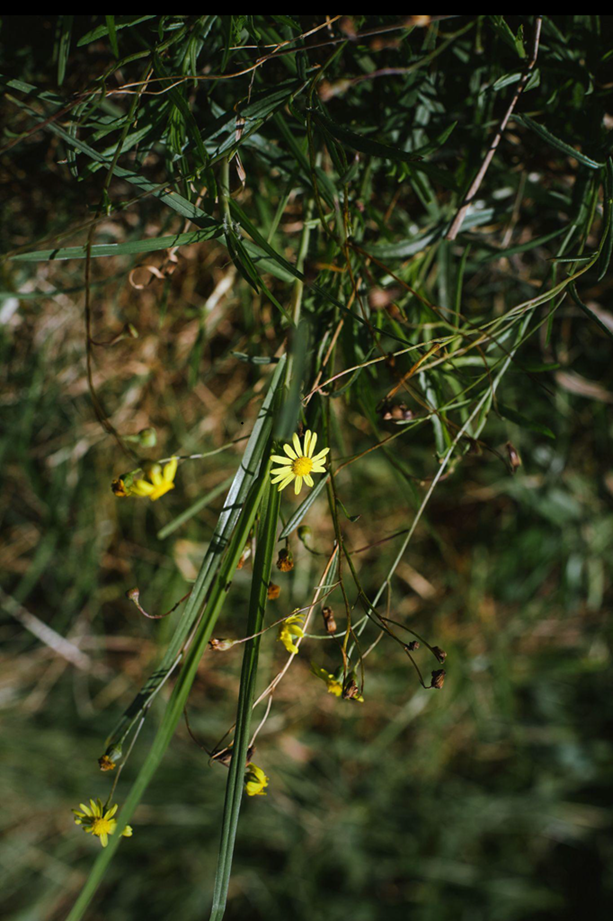
Wildlife also benefits from features that are often removed in the pursuit of a perfectly tidy garden. A small pile of fallen leaves, a few hollow stems left standing after flowering, or a log tucked into a quiet corner can all provide valuable shelter for insects, spiders, lizards and the countless small creatures that form the foundation of healthy ecosystems. These natural features also help return nutrients to the soil, improve soil structure and moisture retention, and create the conditions for fungi and microorganisms that keep gardens healthy over time.
Sustainable gardening doesn’t require a complete redesign. Small changes—leaving a patch of grass unmown, planting a native shrub, reducing pesticide use or allowing a little leaf litter to remain—can collectively make a significant difference. Healthy ecosystems are built from countless small interactions between plants, insects, birds and other wildlife. By encouraging this diversity in our own gardens, we help create resilient green spaces that benefit nature far beyond our own fence lines.
Photo Credit to Mao Li from Pexels.com
This month, why not try just one of these ideas? Leave one corner of your lawn to grow, add a native plant to your garden, or simply spend a few minutes watching which insects and birds visit your outdoor space. You may be surprised by the diversity that’s already there—and by how quickly nature responds when we allow it to flourish. Together, these small actions can help create greener, more biodiverse neighbourhoods, one garden at a time.
