
Pond Guardians: Why Australia’s Frogs Matter

As Australia’s annual FrogID Week approaches, discover the important roles frogs play in our
ecosystems and how we can help them thrive in our gardens, parks and wetlands.
There is something special about hearing frogs calling after rain. Whether it is a chorus rising
from a local wetland or a single call coming from a garden pond, these sounds are a reminder
that wildlife is living alongside us, often in places we might overlook.
Australia is home to a remarkable diversity of frogs, occupying habitats ranging from rainforests
and mountain streams to temporary wetlands and suburban gardens. Yet frogs face growing
pressures from habitat loss, pollution, introduced predators, climate change and disease.
FrogID Week offers an opportunity to get to know these often-overlooked neighbours a little
better. By recording frog calls and learning about the environments they depend on, we can
contribute to scientific research while discovering what makes our local ecosystems tick.
But frogs are more than a fascinating part of Australia’s wildlife. They play important roles in the
functioning of healthy ecosystems, and understanding these roles can help us make better
decisions about the green spaces and waterways we share.
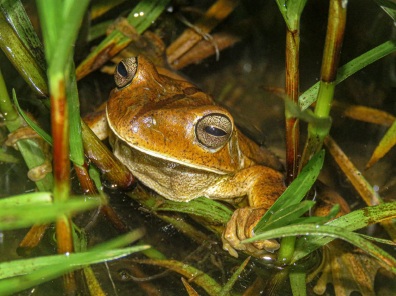
Photo Credit: Gabriel Rondina (Pexels.com)
Small But Mighty
Frogs occupy several positions in food webs, connecting aquatic and terrestrial environments and helping ecosystems function.
One of their most familiar roles is regulating insect and invertebrate populations. Adult frogs eat a variety of invertebrates, including flies, beetles, moths and other small animals. By consuming these prey, frogs contribute to the natural regulation of food webs. The extent of this effect varies between species and habitats, but it is an important part of their ecological role.
Frogs are also a valuable food source for other wildlife. Adults, eggs and tadpoles can be eaten by birds, reptiles, fish and other predators. This makes frogs an important link in the transfer of energy through ecosystems. Changes in frog populations can therefore affect other animals that depend on them for food.
Their influence extends beyond what they eat and what eats them. Tadpoles can help shape freshwater ecosystems through their feeding and movement. Depending on the species, they may graze on algae, consume organic matter and influence the movement of sediment and the cycling of nutrients. These activities can affect the way energy and materials move through aquatic habitats.
Frogs also attract attention as indicators of environmental change. Their permeable skin makes them particularly vulnerable to certain pollutants, while their dependence on suitable breeding sites and surrounding terrestrial habitat exposes them to changes both in water and on land. Monitoring frog populations can therefore provide useful information about environmental conditions, although no single species or recording can tell us everything about the health of an ecosystem.
Together, these roles demonstrate that frogs are not simply inhabitants of wetlands and gardens. They actively contribute to the ecological processes that sustain the environments around us.
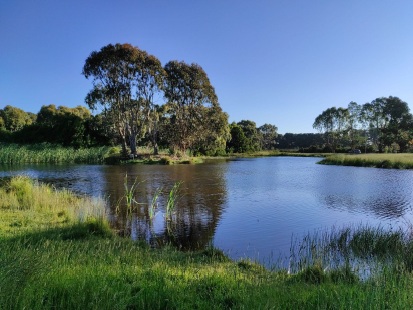
Photo Credit: Walter Coppola (Pexels.com)
Bringing frogs into our gardens
Even small gardens can provide valuable habitat for frogs, particularly where natural environments have been lost to development. A few simple changes can make a garden more welcoming to local wildlife.
- Provide water: If space allows, create a wildlife pond with shallow edges and varieddepths, making it easier for animals to access the water. Avoid introducing fish, whichcan prey on frog eggs and tadpoles.
- Plant native vegetation: Locally appropriate aquatic plants, grasses and shrubs provideshelter and potential breeding habitat.
- Keep natural shelter: Leaf litter, logs and rocks offer cool, moist hiding places for frogsand the invertebrates they eat.
- Limit chemical use: Avoid unnecessary pesticides and herbicides near ponds andwaterways, where they can harm frogs and their food sources.
A frog-friendly garden doesn’t need to be large or perfectly maintained. Providing water, vegetation and shelter can help create a useful habitat for local wildlife.
Protecting our shared wetlands
Local parks, creeks and wetlands provide important habitat for frogs, particularly where native vegetation and natural ground cover are retained. There are several simple ways to help maintain these environments:
- Join a local bush regeneration or planting day to restore native vegetation aroundwaterways.
- Keep waterways clean by disposing of rubbish responsibly and avoiding chemicals thatcould wash into stormwater drains.
- Protect existing habitat, including leaf litter, ground cover and vegetation along wetlandedges.
- Support local conservation projects through community groups or council initiatives.
While garden ponds can provide valuable habitat, they work best alongside healthy natural wetlands, where frogs have access to the varied shelter, breeding sites and surrounding vegetation they need.
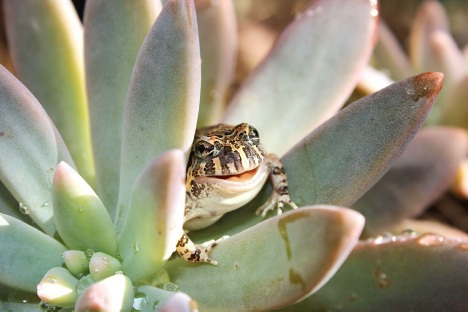
Photo Credit: Marena Lyndon (Pexels.com)
Take part in FrogID Week
One of the simplest ways to contribute to frog conservation is to take part in FrogID Week.
The Australian Museum’s ninth FrogID Week will run from 6–15 November 2026. Anyone with a smartphone can participate by using the free FrogID app to record calling frogs. These recordings help researchers identify species, map their distributions and monitor changes in frog populations over time.
You do not need to be an experienced naturalist or know which species you are hearing. Simply follow the app’s instructions, record calls where you hear them and submit your recordings.
Your garden, local park or nearby wetland could provide useful information for researchers. Even recordings of common species can contribute to understanding how frog populations change over time.
Remember to observe wildlife respectfully: avoid handling frogs, disturbing breeding sites or entering restricted areas to obtain a recording.
Find out more and download the app at FrogID.net.au
Healthy habitats start locally
Frogs are an important part of Australia’s biodiversity. They help regulate food webs, support other wildlife and contribute to the processes that keep freshwater ecosystems functioning. Their sensitivity to environmental change also makes them valuable subjects for scientific monitoring.
Yet their future depends on more than the presence of water. Suitable vegetation, shelter, water quality and healthy connections between habitats all contribute to their survival.
Whether you help restore a local wetland, create a wildlife-friendly garden or record a frog call during FrogID Week, there are practical ways to support these remarkable animals.
So, when the rain arrives and the frogs begin calling, take a moment to listen. That chorus is not just a pleasant sound: it is an invitation to learn more about the wildlife around us and help protect the places it calls home.
